Patellar Tracking Disorder occurs when the kneecap (patella) does not glide smoothly within its natural groove on the thigh bone during bending and straightening of the knee. Instead of moving centrally, it may shift laterally, causing pain, clicking sensations, swelling, or instability, especially during running, squatting, stair climbing, or prolonged sitting.
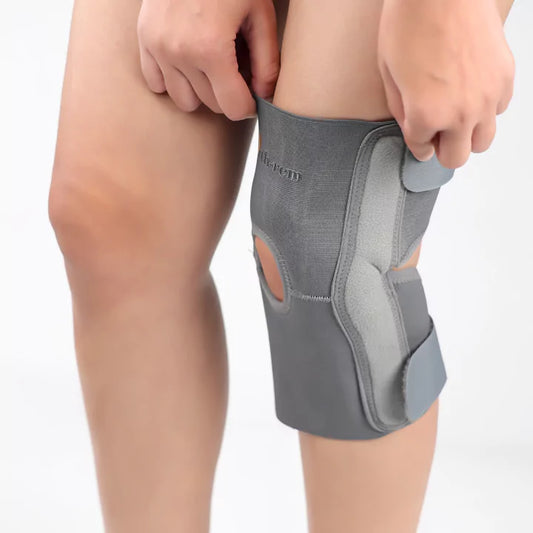
The Orth-rem Patellar Tracking Disorder Collection is designed to help stabilize the kneecap, improve alignment, and reduce strain during daily movement and sports activities. Whether you're looking for a structured knee brace for patellar tracking disorder, a lightweight patellar tracking brace running solution, or a compact lateral patellar tracking brace, Orth-rem supports are engineered to complement rehabilitation and strengthening programs.

Why Dedicated Support Is Important in Patellar Tracking Disorder

Patellar Tracking Disorder alters the natural glide of the kneecap within the femoral groove. When the patella shifts laterally, pressure distribution across the joint becomes uneven, increasing friction against cartilage and irritating surrounding soft tissues. Over time, this imbalance may contribute to anterior knee pain, inflammation, and difficulty performing weight-bearing movements.

01

Protects Patellar Alignment

A properly fitted lateral patellar tracking brace applies corrective guidance that helps counter outward deviation, supporting more centralised patellar movement.

02

Controls Mechanical Stress During Activity

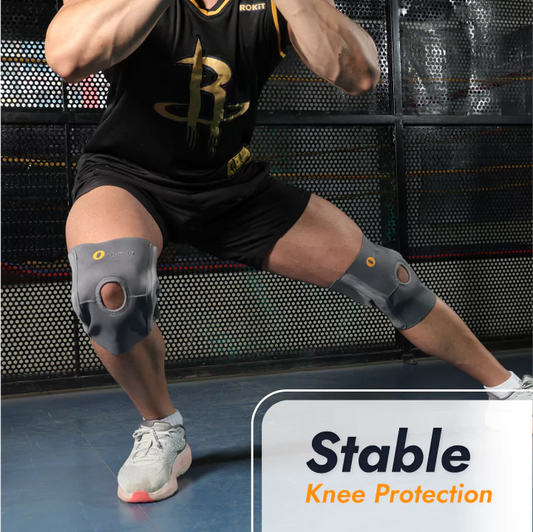
During repetitive impact activities such as jogging or stair climbing, a patellar tracking brace running helps reduce excessive shear forces acting on the patellofemoral joint.

03

Improves Neuromuscular Coordination

A structured knee brace for patellar tracking disorder provides external feedback that may encourage more balanced quadriceps activation and improved movement control.

04

Supports Progressive Rehabilitation

The best knee brace for patellar tracking disorder can provide structured assistance during muscle retraining phases, allowing safer strengthening without overloading sensitive joint surfaces.

Benefits

How Orth-rem Patellar Tracking Supports Assist Recovery

Orth-rem knee supports are engineered to provide guided stabilization without excessive restriction. Each design focuses on anatomical alignment, compression balance, and activity adaptability.

1. Anatomical Patella Positioning: Structured straps and stabilizing components help maintain central kneecap positioning during bending and straightening movements.

2. Targeted Lateral Control: Design features similar in function to a braceability patellar tracking short knee brace provide focused patella guidance in a compact, low-profile format.

3. Graduated Compression Support: Elastic construction distributes balanced compression that may assist in swelling management and soft tissue comfort.

4. Dynamic Activity Compatibility: Lightweight materials allow use during daily activities, rehabilitation exercises, and sports participation when medically appropriate.

Key Benifits

Key Benefits of Orth-rem Patellar Tracking Disorder Support Products

Orth-rem supports are developed to enhance function while maintaining wearability for everyday routines and active lifestyles.

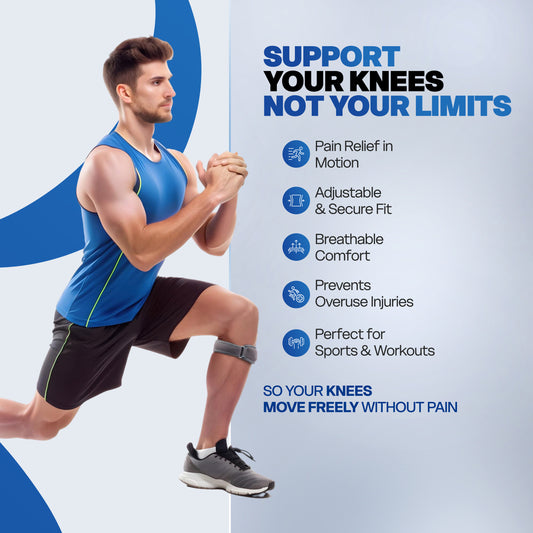
1. Improved Activity Tolerance: Users may experience greater comfort during walking, stair climbing, and controlled workouts.

2. Reduced Sensation of Instability: External guidance can help minimise the feeling of the kneecap shifting or slipping during movement.

3. Smoother Repetitive Motion: By supporting guided tracking, braces may assist in maintaining more consistent knee mechanics over time.

4. Comfort for Prolonged Wear: Breathable, flexible materials support extended use throughout the day without excessive heat retention.

5. Customisable Fit and Control: Adjustable fastening systems allow users to fine-tune compression levels based on activity intensity and recovery stage.

Safety & Usage Guidelines for Patellar Tracking Braces
  • Maintain Hygiene

    Handwash with mild soap and air dry to preserve elasticity and structural integrity.

  • Avoid Excessive Tightening

    Over-compression may increase discomfort or impair circulation.

  • Use During High-Stress Activities

    Wear during running, gym sessions, or prolonged standing if recommended.

  • Ensure Proper Fit

    The brace should feel firm and supportive without restricting circulation or causing numbness.

  • Follow Medical Advice

    Always consult a healthcare professional before selecting the best knee brace for patellar tracking disorder.

  • Combine With Strengthening Exercises

    Knee supports are most effective when paired with quadriceps, hip, and core strengthening programs.

1 of 6

Frequently asked questions

Can Orth-rem supports help with severe Patellar Tracking Disorder?

Orth-rem braces are designed to complement structured rehabilitation. Severe instability or structural abnormalities require professional medical evaluation.

Are patellar tracking braces comfortable for long-term wear?

Yes. Orth-rem supports the use of breathable materials intended for extended daily use.

Can I use a patellar tracking brace while running?

A patellar tracking brace running model may provide stabilization during controlled sports participation when advised by a healthcare professional.

Are these adjustable for all sizes?

Most Orth-rem knee supports feature adjustable straps to accommodate different knee shapes and swelling levels.

How do I choose the right patellar tracking brace?

Brace selection depends on severity, activity level, and medical advice. Consult your healthcare provider for proper fit and duration of use.