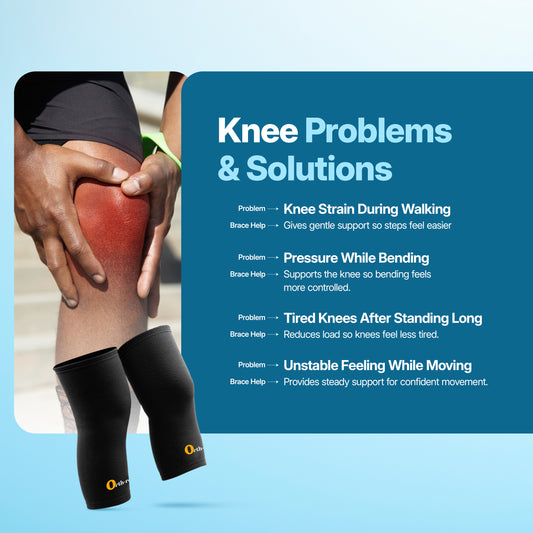
Tendinitis is the inflammation or irritation of a tendon caused by repetitive strain, sudden overload, or biomechanical imbalance. Because tendons transfer force from muscle to bone, excessive stress can lead to micro-tearing, localized pain, swelling, and reduced functional strength. Commonly affected areas include the elbow, wrist, forearm, knee, ankle, Achilles tendon, and thumb.
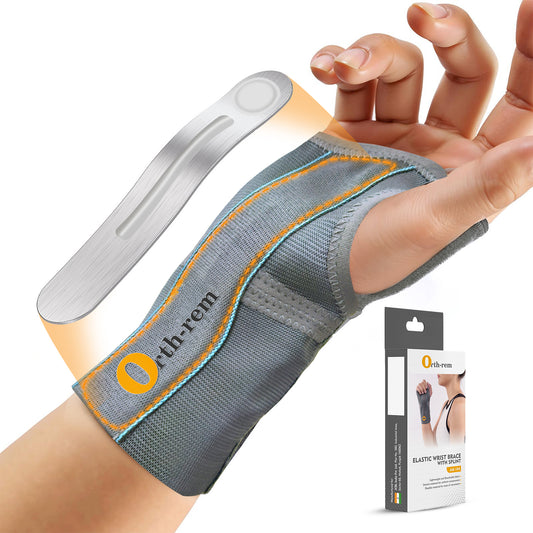
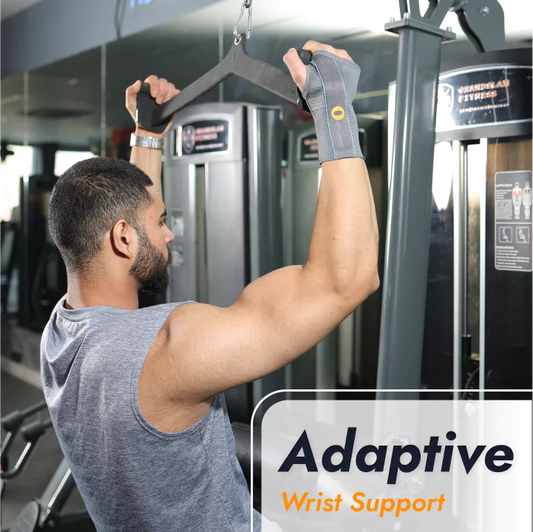
Effective management focuses on reducing mechanical load, stabilizing the affected joint, and allowing controlled movement during recovery. Depending on the injury location, healthcare professionals may recommend a structured tendinitis brace, such as a wrist brace for tendonitis, an elbow tendonitis brace, a patellar tendonitis brace, or an achilles tendon support brace, to complement rest and rehabilitation.
The Orth-rem Tendinitis support collection provides targeted solutions across multiple body regions, helping individuals manage inflammation, protect healing tendons, and gradually return to activity with confidence.

Why Dedicated Support Is Important in Tendinitis

When a tendon becomes inflamed, continued loading without support may prolong irritation and increase the risk of chronic degeneration. Structured bracing helps control stress while allowing functional use of the limb.

01

Reduces Tendon Overload

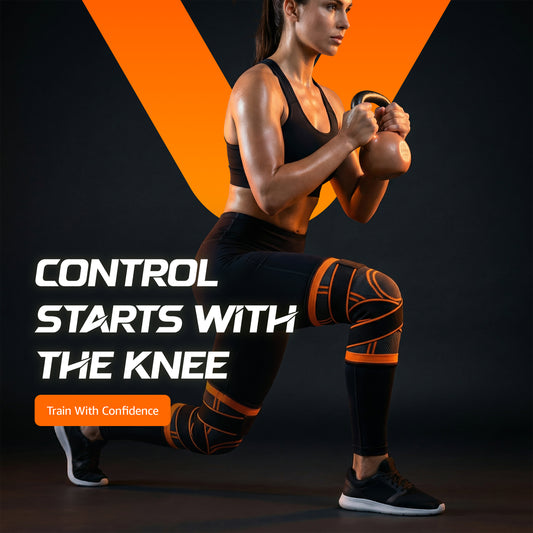
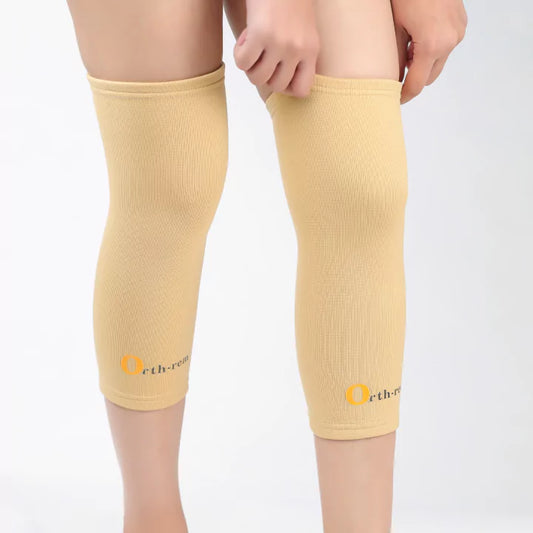
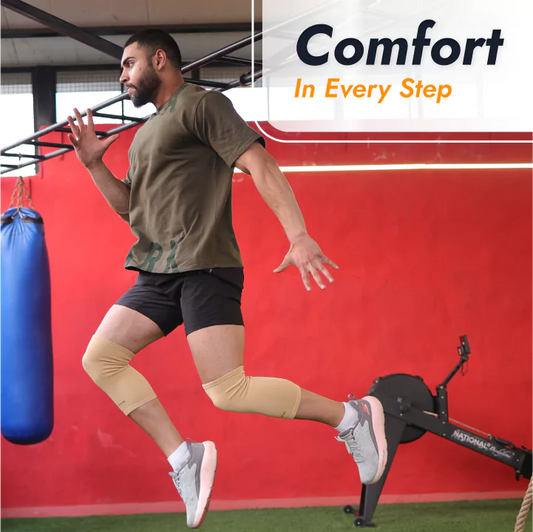
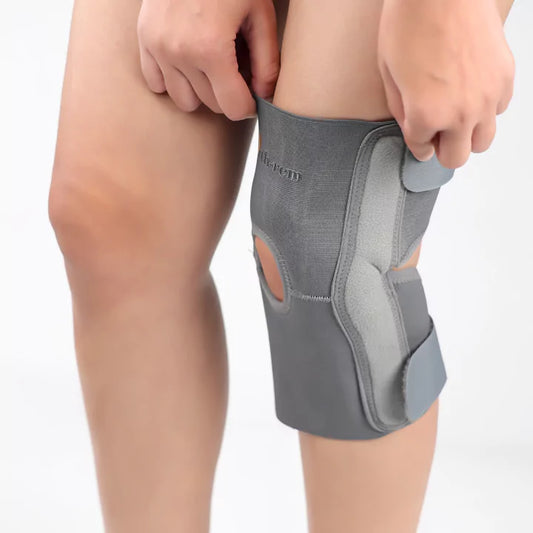
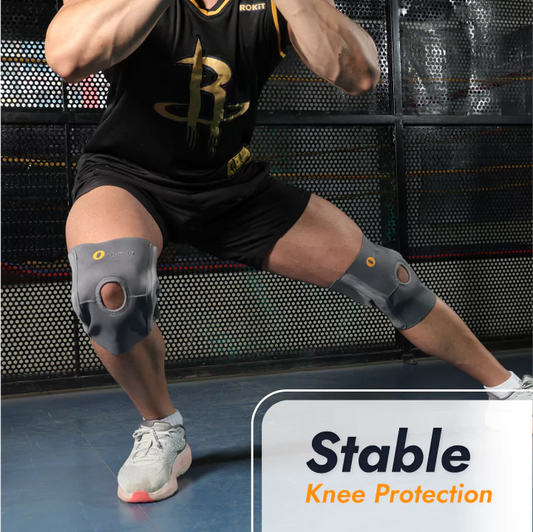
A properly fitted patellar tendonitis brace or patellar tendon-bearing brace helps redistribute stress away from the inflamed knee tendon during squatting or stair climbing.

02

Limits Aggravating Ankle Motion

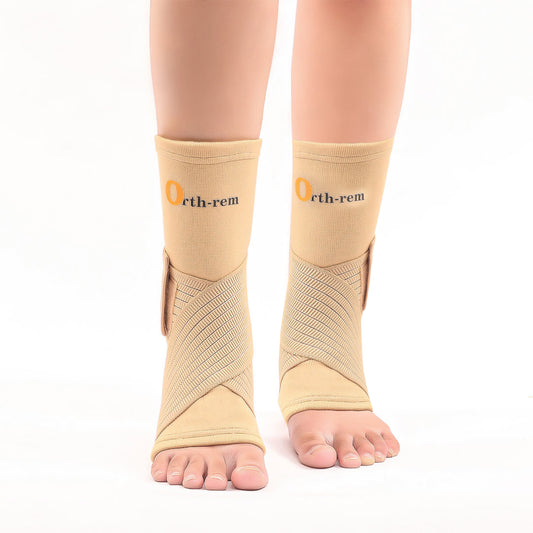
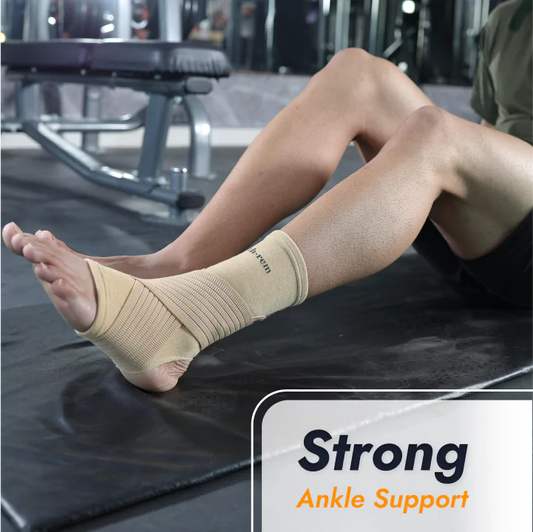
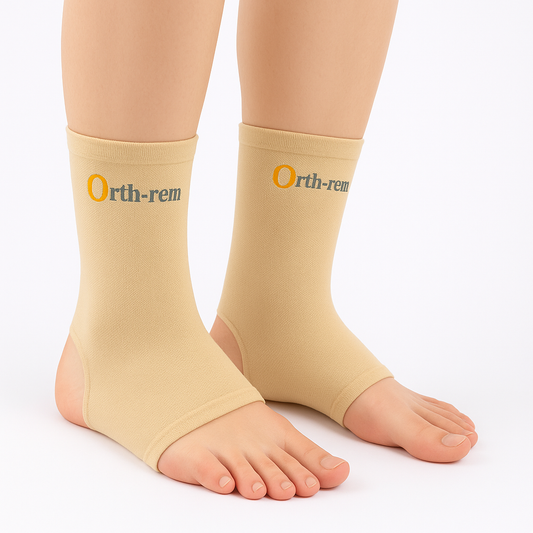
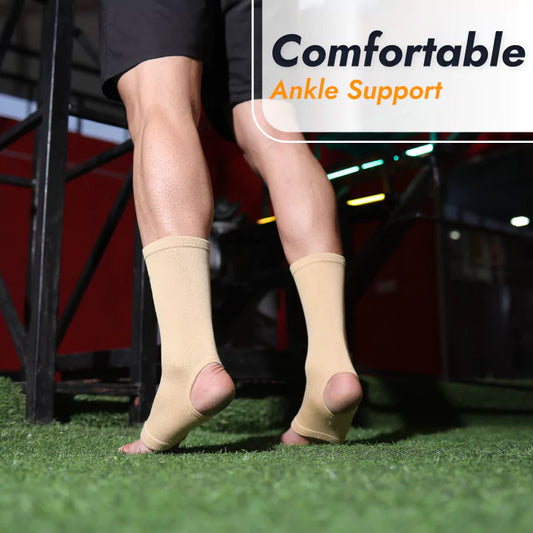
An ankle brace for peroneal tendonitis, peroneal tendonitis brace, or structured tendonitis ankle brace may help reduce excessive inversion or pronation that strains ankle tendons.

03

Supports Achilles Tendon Protection

An achilles tendonitis brace or achilles tendon rupture brace can help control ankle positioning and reduce tensile stress during walking.

04

Controls Upper Limb Strain

The best elbow brace for tendonitis, elbow tendonitis brace, or forearm tendonitis brace may assist in reducing repetitive load across extensor or flexor tendons.

Benefits

How Orth-rem Tendinitis Supports Assist Recovery

Orth-rem supports are engineered with joint-specific stabilization principles. Rather than fully immobilizing movement, they provide controlled mechanical assistance tailored to the affected region.

1. Anatomical Compression Mapping: Elastic zones apply focused compression directly over the irritated tendon to assist comfort and structural reinforcement.

2. Joint Alignment Control: Knee and ankle designs help maintain proper biomechanical positioning during movement, including options such as a patellar tendon bearing brace or achilles tendon support brace for load guidance.

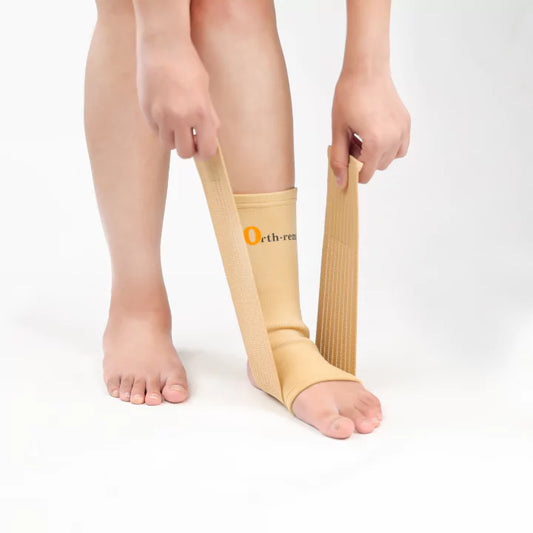
3. Strap-Based Pressure Adjustment: Adjustable fastening systems allow personalised tension control depending on activity level and recovery stage.

4. Activity-Compatible Construction: Breathable, flexible materials allow use during work, exercise, and rehabilitation sessions without excessive bulk.

Key Benifits

Key Benefits of Orth-rem Tendinitis Support Products

Orth-rem braces are designed to promote recovery while maintaining everyday comfort and performance.

1. Improved Functional Stability: Structured support helps maintain joint control during repetitive motion.

2. Reduced Activity-Related Discomfort: Targeted compression may ease strain during walking, lifting, gripping, or sports participation.

3. Safer Return to Movement: External stabilization allows gradual reintroduction of activity without abrupt tendon overload.

4. Comfort for Extended Wear: Lightweight, skin-friendly fabrics support prolonged use throughout the day.

5. Versatile Multi-Joint Solutions: From achilles tendonitis brace options to elbow tendonitis brace and wrist brace for tendonitis designs, Orth-rem provides adaptable support across body regions.

Safety & Usage Guidelines for Tendinitis Braces
  • Maintain Hygiene

    Hand wash with mild soap and air dry to preserve elasticity and structure.

  • Use During High-Risk Activities

    Wear during repetitive or load-bearing tasks if advised.

  • Ensure Proper Fit

    The brace should feel supportive without restricting circulation or causing numbness.

  • Select the Correct Type

    Choose location-specific options such as a patellar tendonitis brace, ankle brace for peroneal tendonitis, or thumb tendonitis brace as appropriate.

  • Consult a Healthcare Professional

    Ensure the selected brace matches your diagnosis and recovery stage.

  • Combine With Strengthening Exercises

    Progressive mobility and resistance training improve tendon resilience.

1 of 6

Frequently asked questions

Can Orth-rem supports be used for chronic tendinitis?

Yes. Orth-rem supports are designed to complement structured rehabilitation. Persistent symptoms should be evaluated by a healthcare professional.

Are these suitable for sports or physical activities?

Yes. Braces such as an achilles tendon support brace or patellar tendonitis brace may be used during controlled activity when advised.

How do I clean Orth-rem supports?

Hand wash with mild soap and air dry. Avoid machine washing or high heat.

Are the supports adjustable for different sizes?

Most Orth-rem braces feature adjustable straps or stretchable materials for adaptable fitting.

Do strengthening exercises help with tendonitis recovery?

Yes. Gradual loading programs improve tendon capacity when combined with appropriate bracing support.