Volleyball is a fast-paced sport that demands explosive jumps, quick directional changes, powerful spikes, and controlled landings. Each rally requires players to move rapidly across the court, dive for saves, and repeatedly jump for blocks or attacks. These movements place consistent pressure on joints such as the knees, ankles, elbows, wrists, and thumbs.
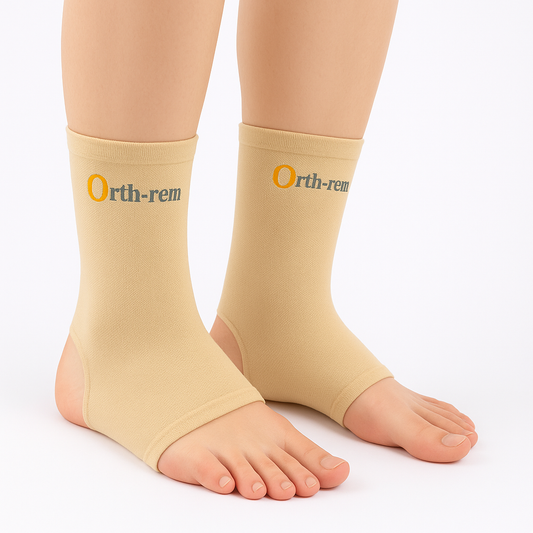
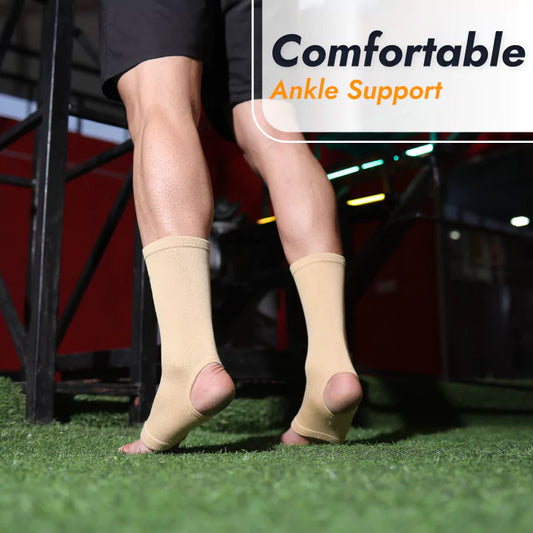
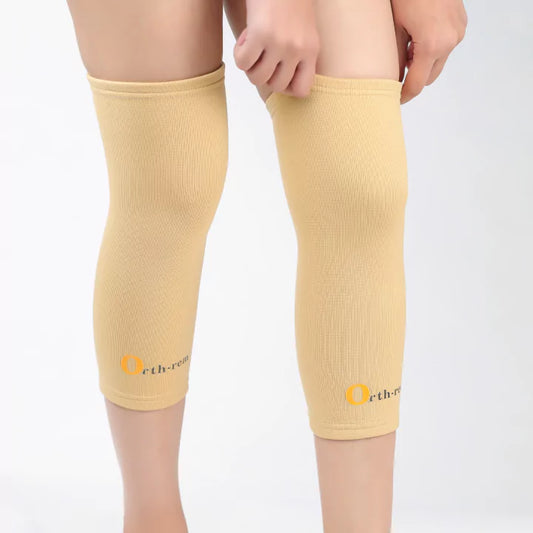
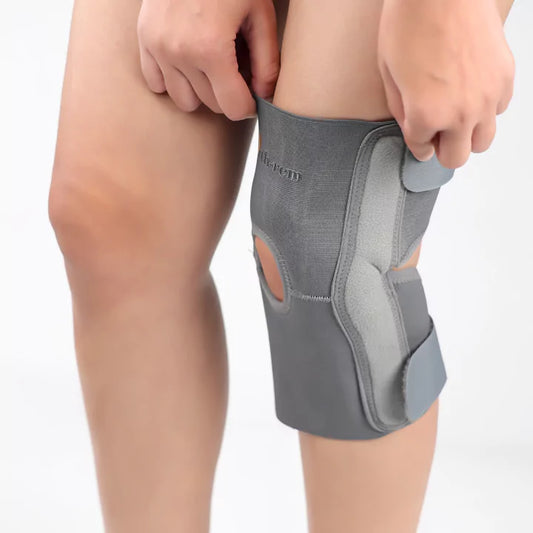
Because volleyball involves frequent jumping and rapid lateral movement, players often experience strain in the lower body. Many athletes wear volleyball ankle braces to improve joint stability during fast court movements. Similarly, a volleyball knee brace can help support the knee joint during repeated jumps and controlled landings.
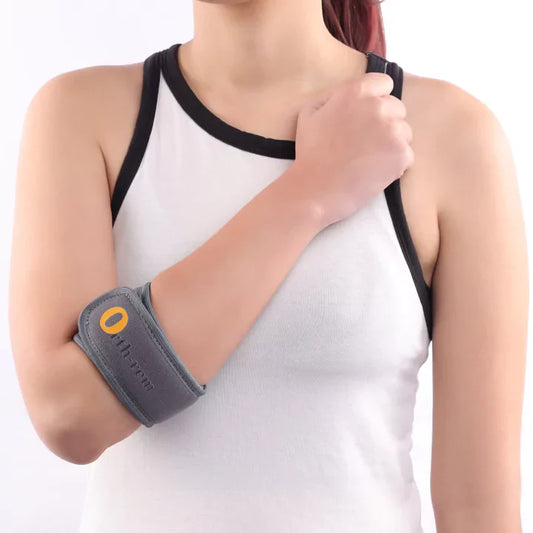
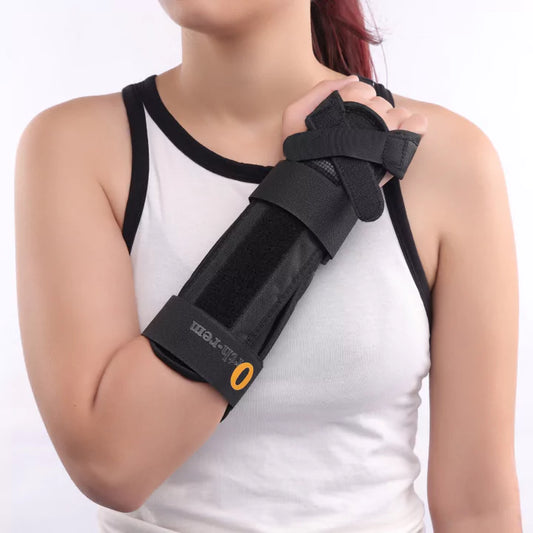
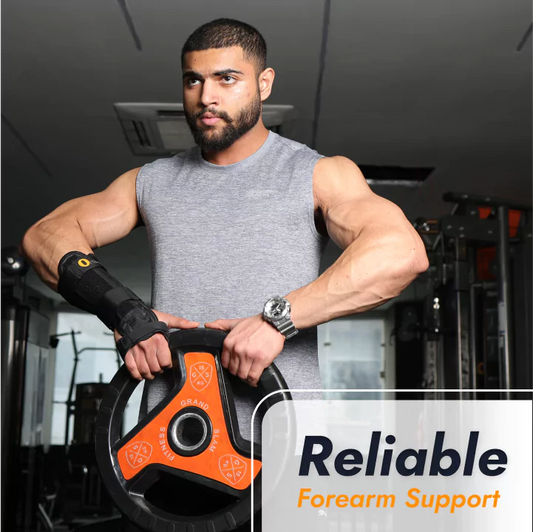
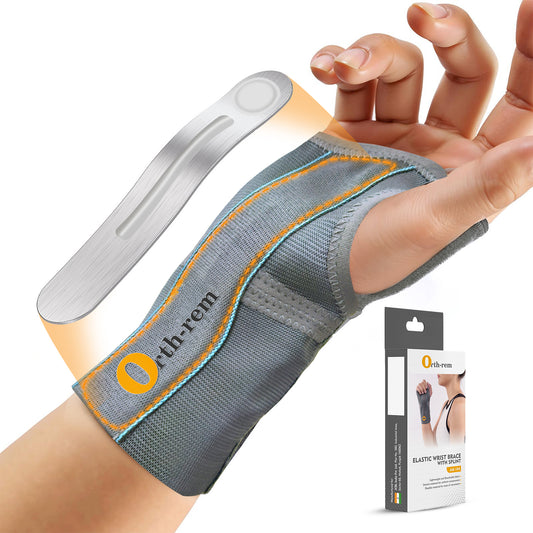
Upper-body joints are also heavily involved in volleyball gameplay. Spiking, blocking, and serving require strong arm swings that can fatigue the elbow and forearm muscles over time. Wearing a volleyball elbow brace can help stabilise the joint during these repetitive movements. Players who frequently pass or set the ball may also benefit from a volleyball thumb brace, which helps reinforce the thumb joint during impact with the ball.
The Orth-rem Volleyball Support Collection is designed to help athletes protect key joints, maintain stability, and perform confidently throughout demanding practices and competitive matches.

Why Dedicated Support Is Important for Volleyball

Volleyball combines explosive jumping with rapid lateral movement and repeated overhead actions. These demands can gradually strain joints if proper support and conditioning are not maintained.

01

Ankle Support for Quick Court Movement

Frequent pivots and sudden changes in direction can challenge ankle stability. Many athletes rely on volleyball ankle braces or active ankle braces for volleyball to maintain balance during intense rallies and quick defensive plays.

02

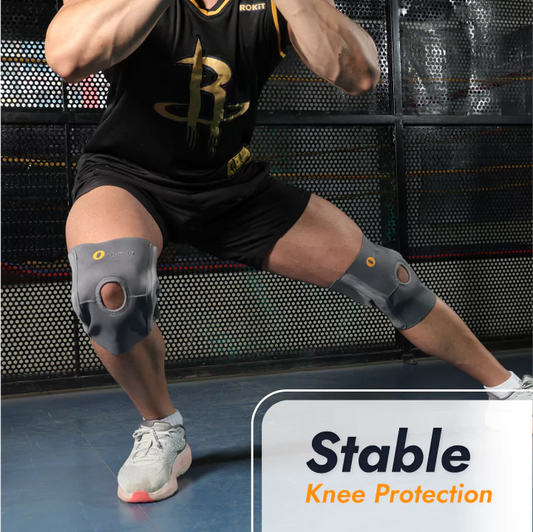
Knee Protection During Jumps and Landings

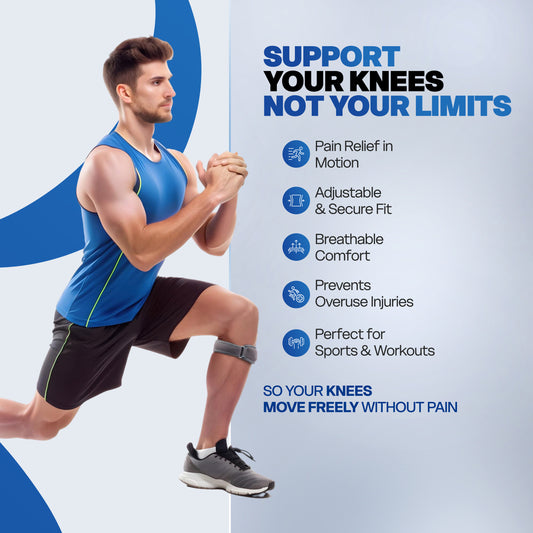
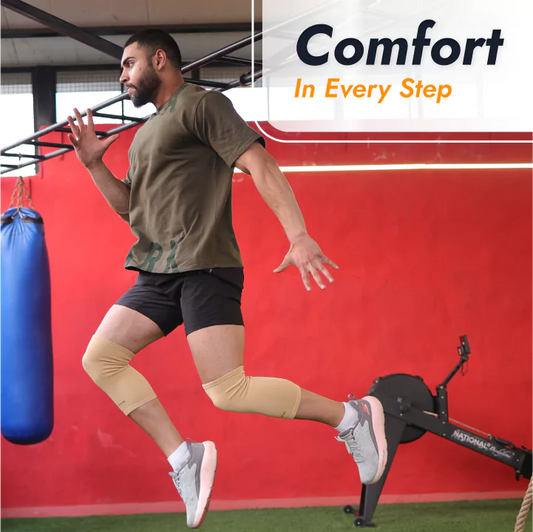
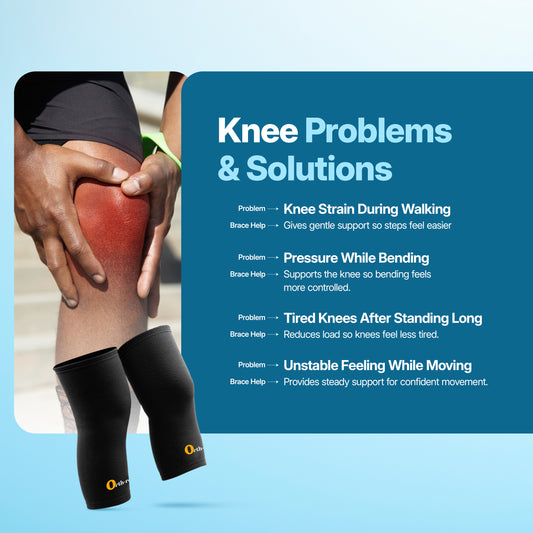
Jumping for spikes or blocks places significant pressure on the knees. A knee brace for volleyball players can help support joint alignment during repeated jumps and controlled landings, making it a common choice when searching for the best knee brace for volleyball.

03

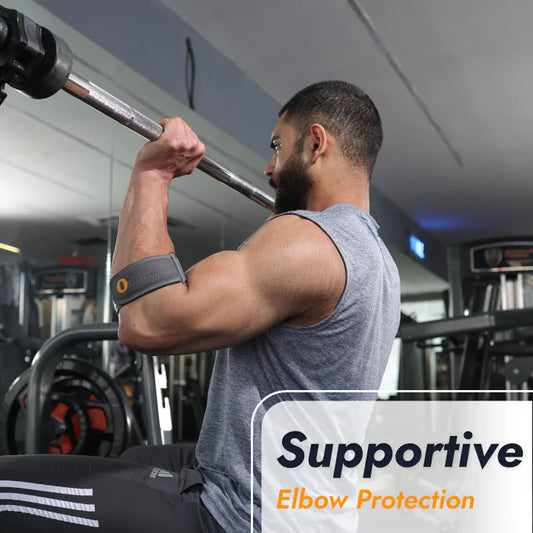
Elbow Stability During Spikes and Serves

Powerful arm swings during spiking and serving can strain the elbow over time. A volleyball elbow brace helps stabilize the joint during repetitive overhead actions.

04

Thumb Support for Ball Control

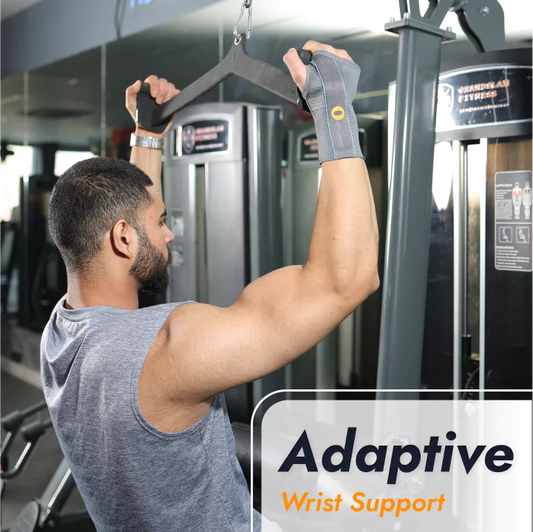
Passing, digging, and setting require strong hand positioning. A volleyball thumb brace helps stabilize the thumb joint during frequent ball contact.

Benefits

How Orth-rem Supports Help with Volleyball Injuries

Orth-rem supports are designed to assist athletes during active gameplay while maintaining flexibility and comfort.

1. Targeted Joint Compression: Compression fabrics help reinforce muscles and joints while promoting healthy circulation during training and matches.

2. Ergonomic Athletic Fit: Supports are designed to follow natural joint movement, allowing players to jump, pivot, and dive without restriction.

3. Reinforced Stress Zones: Strategically strengthened areas provide additional support for high-impact zones such as the knees and ankles.

4. Breathable Lightweight Materials: Comfortable fabrics allow players to wear supports throughout extended matches without overheating or irritation.

Key Benifits

Key Benefits of Orth-rem Volleyball Support Products

Orth-rem volleyball supports combine comfort, durability, and joint protection to assist athletes during demanding gameplay.

1. Enhanced Ankle Stability: The best volleyball ankle braces help stabilise the joint during rapid movement and sudden changes in direction.

2. Reliable Knee Reinforcement: A volleyball knee brace supports the knee joint during jumps and landings, helping players maintain balance and control.

3. Improved Court Mobility: Supports like active ankle braces for volleyball allow players to move confidently without limiting agility.

4. Upper-Body Joint Support: A volleyball elbow brace helps stabilise the arm during spikes, blocks, and powerful serves.

5. Better Hand Protection: A volleyball thumb brace reinforces the thumb joint during passing, digging, and defensive plays.

  • Strengthen Supporting Muscles

    Incorporating conditioning exercises can help improve natural joint stability alongside brace support.

  • Maintain Hygiene

    Hand washing the Orth-rem supports with mild soap and air dry them to preserve elasticity and durability.

  • Warm Up Before Training

    Stretching and mobility exercises prepare muscles and joints for explosive volleyball movements.

  • Wear Supports During High-Impact Play

    Supports are particularly helpful during intense matches or training sessions where joints experience repeated stress.

  • Ensure Proper Fit

    Supports should feel snug but not overly tight. Proper fitting helps maintain stability without restricting natural movement.

  • Allow Adequate Recovery

    Rest between training sessions helps muscles and joints recover after intense gameplay.

1 of 6

Frequently asked questions

Do volleyball players need ankle braces?

Many players wear volleyball ankle braces to improve stability during jumps and quick lateral movements. The best ankle brace for volleyball players can help reduce the risk of ankle sprains.

What is the best knee brace for volleyball players?

The best knee brace for volleyball is one that provides compression and flexibility while supporting the joint during repeated jumps and landings.

Can a volleyball elbow brace help with spiking pain?

Yes, a volleyball elbow brace can help stabilise the joint and support tendons that may become strained from repeated overhead hitting.

Why would a player use a volleyball thumb brace?

A volleyball thumb brace helps stabilise the thumb joint during passing, setting, and defensive plays where the hand absorbs impact from the ball.

Are ankle braces comfortable for full volleyball matches?

Yes. High-quality active ankle braces for volleyball are designed with breathable materials that allow comfortable wear during extended games.