A fracture occurs when a bone breaks due to trauma, falls, sports injuries, or high mechanical stress. Effective healing requires proper stabilization, controlled movement, and protection of surrounding soft tissues. Depending on the location and severity, medical professionals may recommend external orthopedic supports to complement casting, post-surgical care, or transitional rehabilitation.
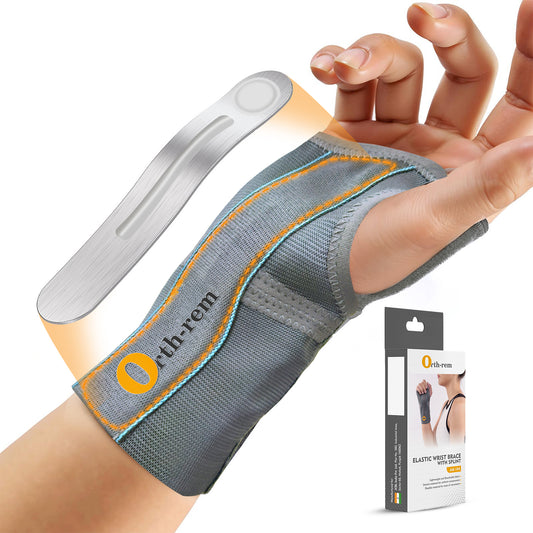
The Orth-rem Fracture Support Collection is developed to assist recovery by maintaining anatomical alignment, limiting excessive joint movement, and reducing strain during daily activities. Orth-rem products are designed to complement medical advice and structured rehabilitation programs during stable fracture healing phases.

Why Dedicated Support Is Important During Fracture Recovery

Bone healing follows a structured biological process that depends heavily on stability and controlled loading. Even minor repetitive motion at the fracture site can interfere with callus formation, prolong inflammation, or increase discomfort. External orthopedic support is often recommended to protect the healing structure while allowing safe functional movement.

01

Protects the Healing Site

A properly fitted spinal fracture brace or back brace for fracture reduces unwanted spinal flexion, extension, or rotational stress that may disrupt vertebral healing.

02

Controls Mechanical Load

An arm brace for a humerus fracture or an elbow support for a fracture helps minimize rotational and bending forces that can strain the fracture site during daily activities.

03

Regulates Weight-Bearing Stress

A leg brace for tibia fracture or structured support for leg fracture helps distribute load more evenly while gradually transitioning back to walking.

04

Prevents Secondary Complications

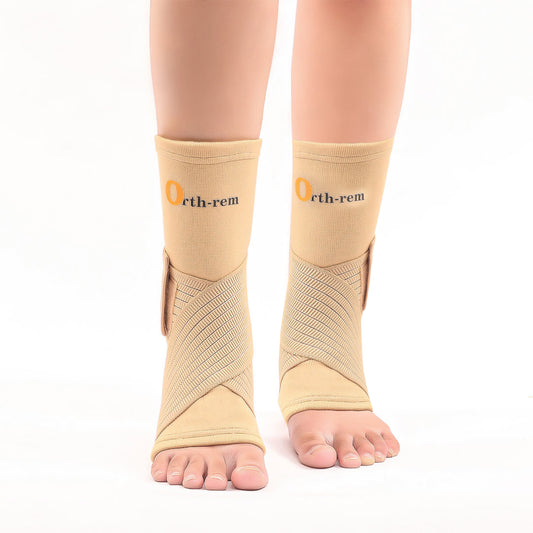
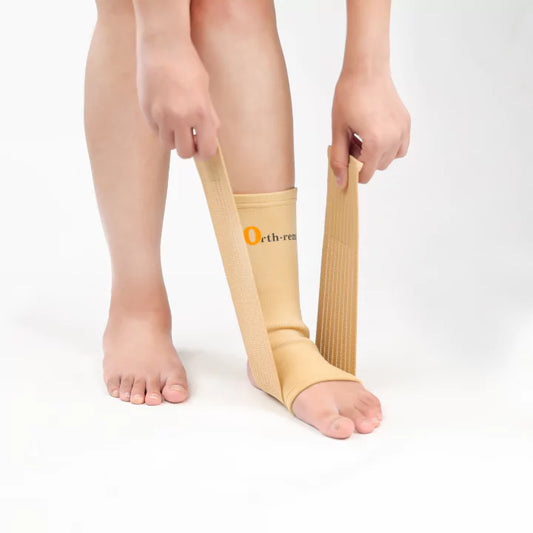
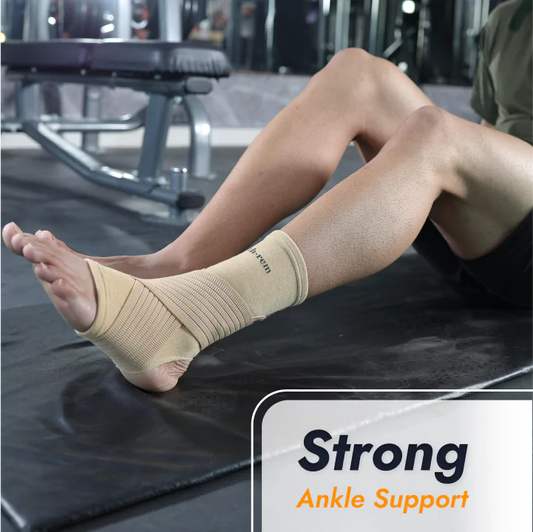
Using an ankle brace after a fracture or a fractured elbow brace can reduce reinjury risk during vulnerable recovery phases.

Benefits

How Orth-rem Fracture Supports Assist Recovery

Orth-rem fracture supports are engineered to provide structured control without completely restricting safe joint function. Each design focuses on anatomical positioning, compression balance, and transitional rehabilitation support.

1. Anatomical Positioning: A back brace for fracture and a spinal fracture brace help maintain neutral posture, reducing compensatory strain on surrounding muscles and ligaments.

2. Segmental Stabilisation: An arm fracture support or fractured elbow brace limits excessive joint excursion while allowing controlled, medically appropriate motion.

3. Graduated Compression: An elbow support for fracture or an ankle brace post fracture provides consistent compression that may assist soft tissue recovery and swelling management.

4. Rehabilitation Transition Support: A leg brace for a tibia fracture or an arm brace for a humerus fracture can be used during strengthening phases to protect healing bone while mobility improves.

Key Benifits

Key Benefits of Orth-rem Fracture Support Products

Orth-rem fracture supports are built to combine protection with comfort, helping individuals recover with greater confidence.

1. Improved Recovery Confidence: Structured stabilization helps users feel secure while resuming safe daily movement.

2. Reduced Strain on Surrounding Tissues: By controlling excessive motion, supports help minimize stress on muscles and ligaments around the fracture site.

3. Enhanced Postural Awareness: A well-designed spinal fracture brace or back brace for fracture encourages healthier spinal positioning during prolonged sitting or standing.

4. Comfort for Extended Wear: Breathable, skin-friendly materials reduce heat buildup during long recovery periods.

5. Adjustable, Secure Fit: Flexible fastening systems adapt to swelling changes and different body regions for consistent support.

Safety & Usage Guidelines for Fracture Supports
  • Maintain Hygiene

    Hand wash supports with mild soap and air dry to preserve structural integrity.

  • Avoid Excessive Tightening

    Over-compression may increase discomfort or interfere with circulation.

  • Use as Recommended

    Immobilization duration and activity levels should follow medical guidance to avoid delayed healing.

  • Ensure Proper Fit

    The support should feel firm but not restrict circulation or cause numbness.

  • Follow Medical Advice

    Always consult a healthcare professional before using a fracture brace to ensure it is appropriate for your injury stage.

  • Support Gradual Mobility Progression

    Use the brace as guided to safely resume daily activities while maintaining stability and protecting the healing area.

1 of 6

Frequently asked questions

Can Orth-rem supports be used for severe fractures?

Orth-rem supports are designed to complement professional medical treatment. Severe or unstable fractures require immediate medical care and structured immobilization prescribed by a doctor.

Are fracture braces comfortable for extended wear?

Yes. Orth-rem supports are made from breathable materials designed for prolonged use during recovery.

Can I walk while wearing a leg brace for a tibia fracture?

Walking should only resume as recommended by your healthcare provider. A leg brace provides support but does not replace medical clearance.

Is an ankle brace post fracture necessary after cast removal?

In many cases, an ankle brace post-fracture helps provide additional stability while regaining strength and balance.

How do I choose the right fracture support?

The correct brace depends on the fracture location, healing stage, and medical advice. Consult your healthcare provider for proper selection and usage duration.